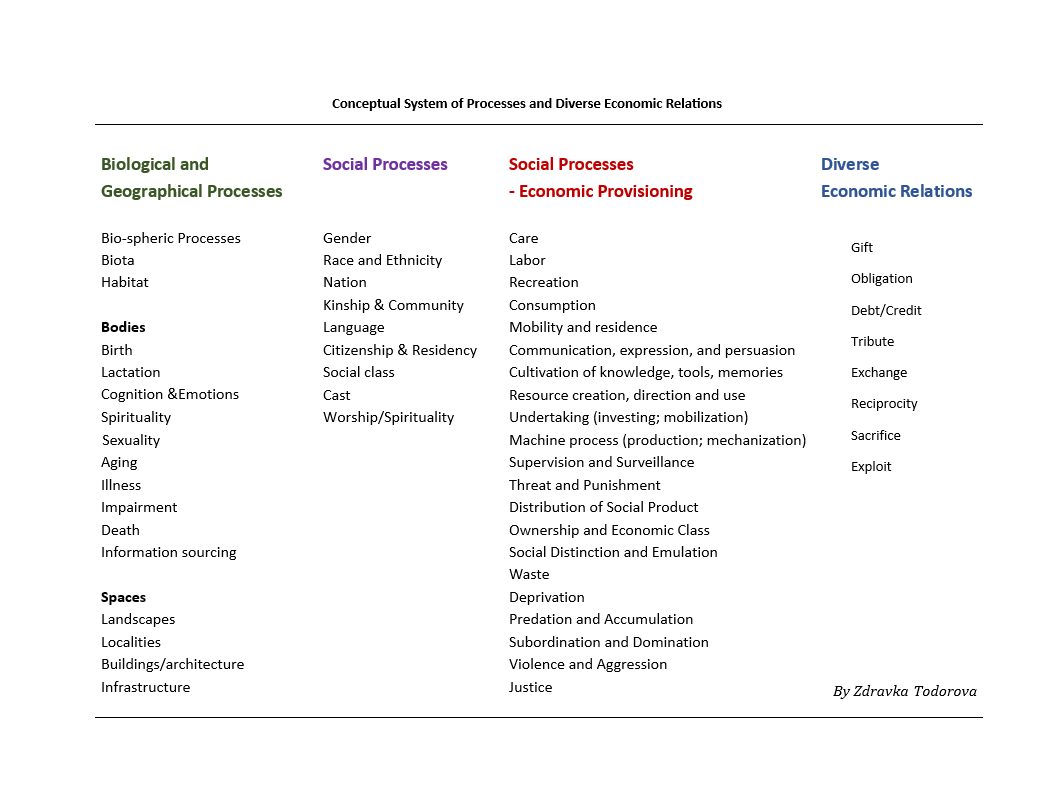
By Zdravka Todorova Post # 3 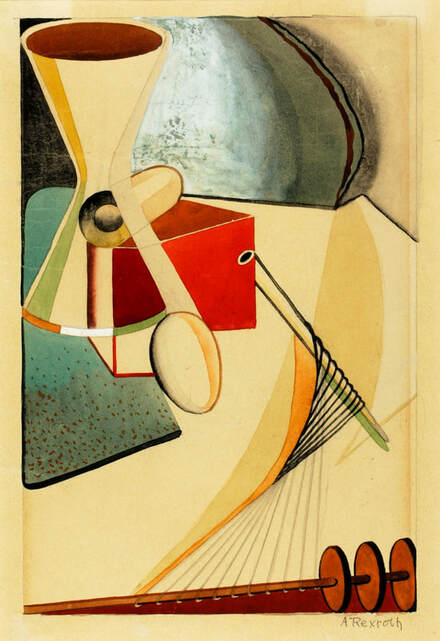 "Composition" pencil and watercolor on paper, Andree Rexroth (born Chicago, IL 1902-died San Francisco, CA 1940) Smithsonian American Art Museum, Transfer from General Services Administration. Record ID: saam_1971.447.76. New Deal\Works Progress Administration, Federal Art Project\California "Composition" pencil and watercolor on paper, Andree Rexroth (born Chicago, IL 1902-died San Francisco, CA 1940) Smithsonian American Art Museum, Transfer from General Services Administration. Record ID: saam_1971.447.76. New Deal\Works Progress Administration, Federal Art Project\California Inflation is not just a matter of disequilibrium in supply and demand and too much money in the economy. There are structural processes that drive the price level changes over time. The effects of inflationary pressures are exacerbated by the restrictive and unequal provision of necessities, which explains affordability crises.
By Zdravka Todorova Post # 2 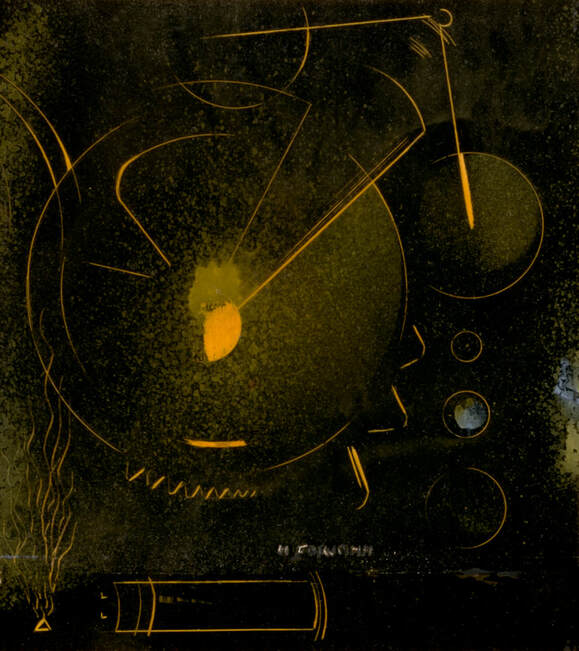 Horatio C. Forjohn (1911-1943) Idle Governor (airbrush on paperboard) Smithsonian American Art Museum, Transfer from General Services Administration ca. 1940, object number 1971.447.28 Capacity expansion in the production of semiconductors goes together with strategic restructuring of demand. There is a greater dependency on capital-intensive reproducible inputs and products and more non-discretionary consumption. This creates a potential for structural inflationary pressures.
By Zdravka Todorova Post #1 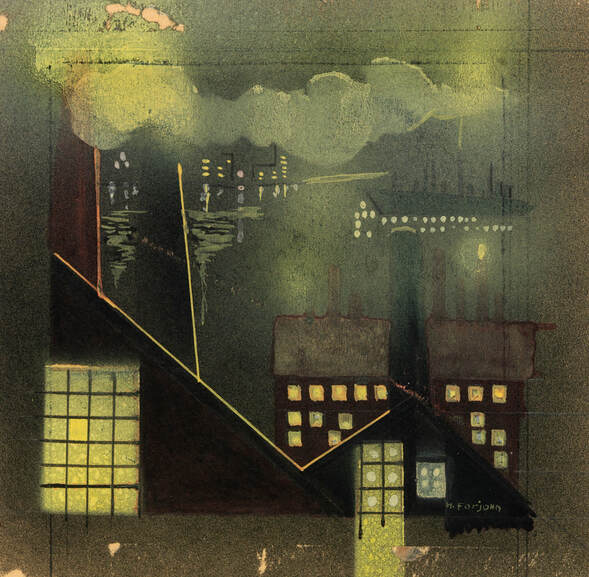 Horatio C. Forjohn (1911-1943), Industry at Night, ca. 1940, watercolor and pencil on paper. Smithsonian American Art Museum. Transfer from the General Services Administration, ca. 1940, Object number 1974.28.112 Large businesses manage inflationary pressures by implementing high-tech improvements to reduce costs and maintain profits. Working households cannot cut costs by adding more high-tech consumption, and are constrained by social systems of provision.
|
Zdravka Todorova
I research, teach, and write about systems, processes, and relations of economic lives. Archives
Categories
|
 RSS Feed